

Buying a screenwriting book is much easier than fixing a second act. You get a fresh notebook, a new theory and, for a while, the reassuring feeling that you're making progress.
Sometimes you are. A good craft book can explain why a scene you've rewritten six times still isn't working. But you'll only find out whether its advice helps when you try it on your pages.
These five books tackle different problems: structure, character, dialogue, rewriting and understanding the industry. You don't need to read them in order, or read all five. Start with the one that answers a question you're already asking about your draft.
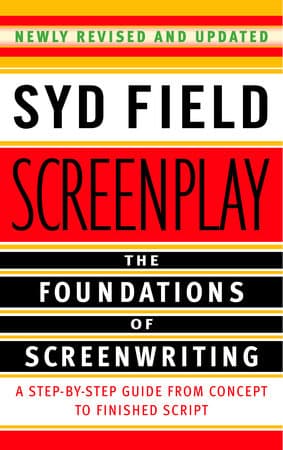
1. Screenplay, by Syd Field
Read it when the individual scenes work, but the story doesn't hold together.
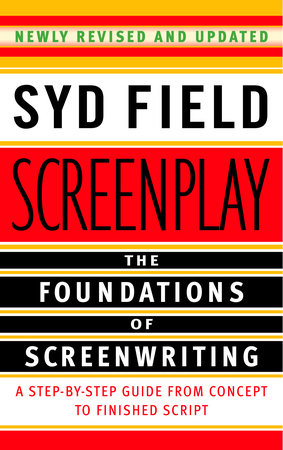
Field's Screenplay: The Foundations of Screenwriting is a starting point for understanding how a feature is built. It covers structure, character and visual storytelling, as well as the work of getting from an idea to a finished screenplay.
Its strength is the wider view. When you've spent three days getting a scene right, it's hard to admit that the story might not need it. Field gives you a way to step back and look at what that scene does for the film.
Does it force a decision? Does that decision cause trouble later? If you removed it, would anything else have to change?
Use the structural ideas to test the connections between scenes. Don't let the diagram become the thing you're writing towards. A turning point still needs to matter to the person living through it.
Try it on your draft: describe your protagonist's situation at three points: the beginning, the biggest change of direction and just before the ending. Write one sentence for each. Then explain how their decisions get them from one point to the next. A gap in that explanation gives you something specific to work on.
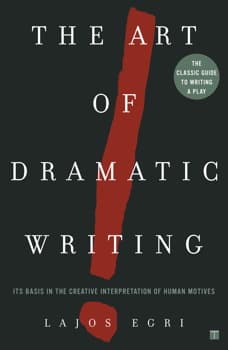
2. The Art of Dramatic Writing, by Lajos Egri
Read it when your characters seem to be doing whatever the plot needs.
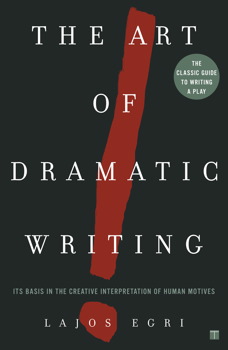
Egri's The Art of Dramatic Writing connects premise, character and conflict. His examples draw heavily on plays, including Romeo and Juliet and A Doll's House, but the questions travel well to screenwriting.
By premise, he means a proposition explored through the story. That's a different starting point from a setting or a high-concept pitch. It asks what the characters' actions and their consequences add up to.
This can help when you've written a detailed character biography but still don't know what the person would do in a difficult scene. Their favourite music won't necessarily tell you why they'd betray a friend. Their fear of being left behind might.
The next step is making that visible. If a character's afraid of abandonment, what do they do when someone packs a bag? Beg them to stay, hide the car keys, pretend they don't care? Each choice gives you a different scene.
Try it on your draft: choose one important decision and finish the sentence, “They do this because…” Make the answer specific to that person, then ask what their choice costs someone else. If almost anyone could make the same decision for the same reason, keep digging.
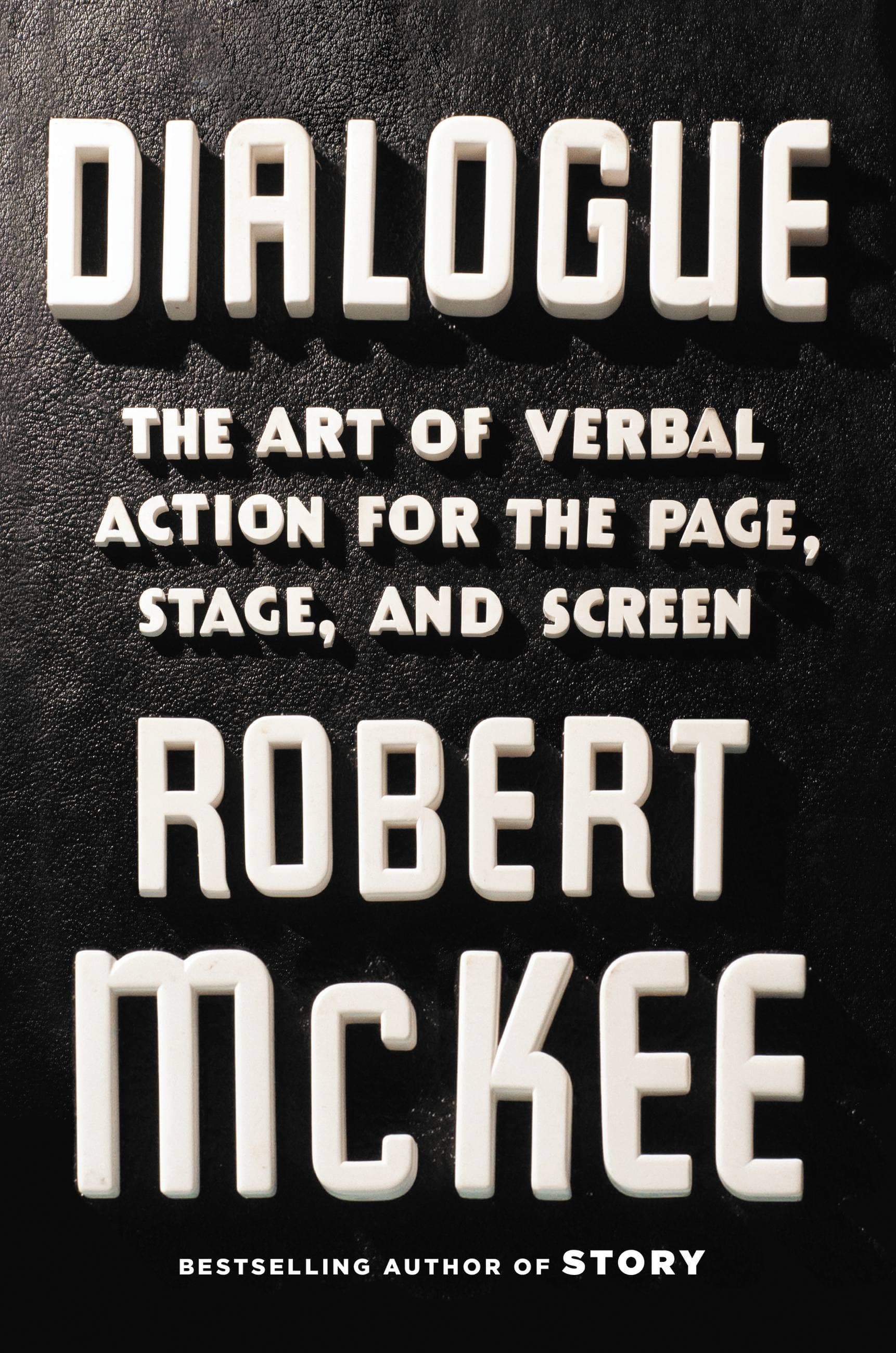
3. Dialogue, by Robert McKee
Read it when the conversation makes sense but the scene goes nowhere.
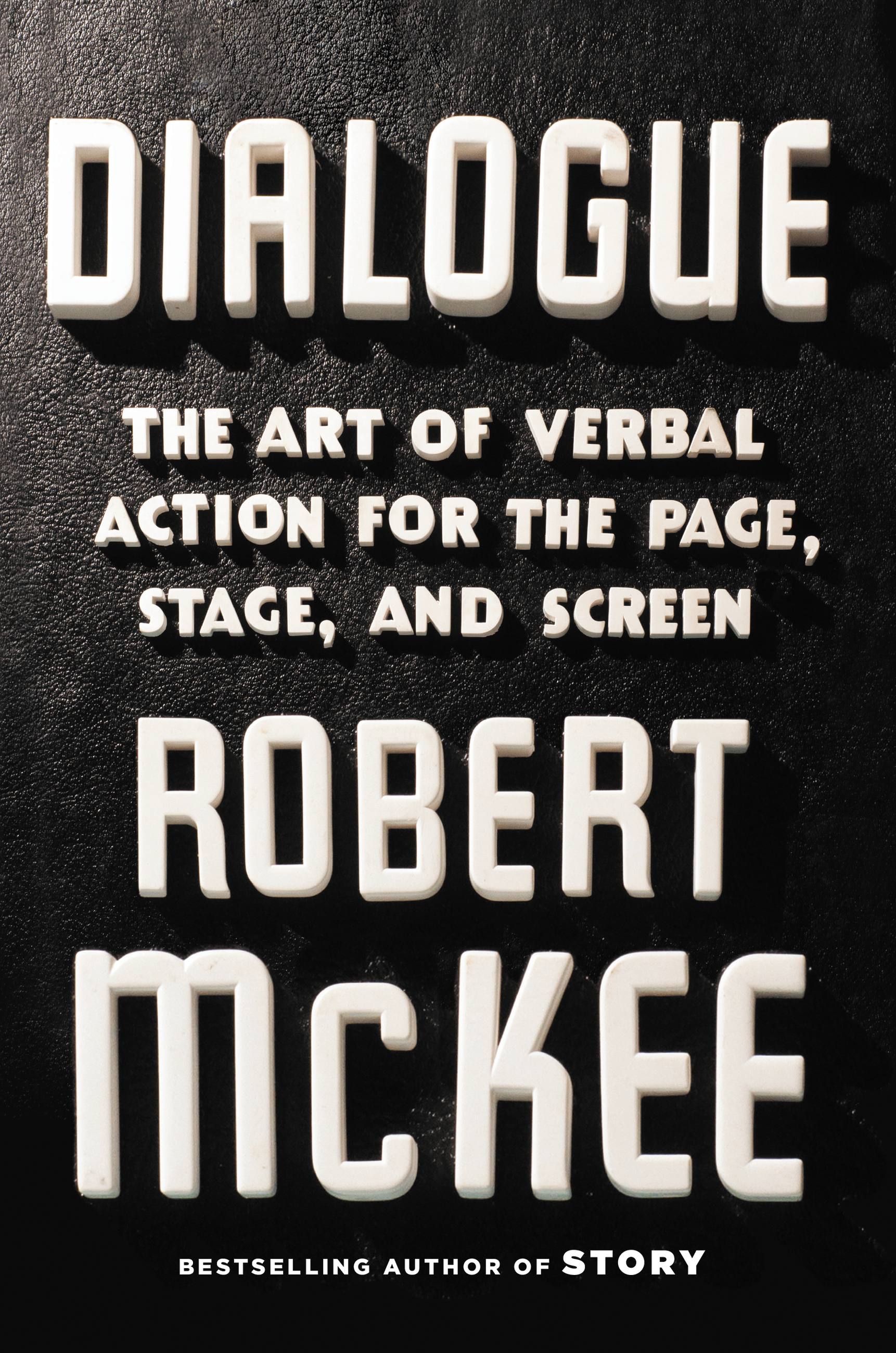
McKee's Dialogue: The Art of Verbal Action for Page, Stage, and Screen looks at speech in film, theatre and prose, with examples from work including Macbeth and Breaking Bad.
The useful idea is right there in “verbal action”. People do things with words. They persuade, dodge, test, reassure and threaten. A conversation about who's washing up can also be an argument about who feels taken for granted.
That gives you more to work with than making every line sound clever. Ask what each speaker's trying to get from the other person. Then look for the moment their approach stops working.
A character might begin by joking, try bargaining, then say something they can't take back. The subject hasn't changed, but the relationship has.
Try it on your draft: pick a two-person scene. Write down what each person wants at the start. Mark where either changes their approach. If neither does, ask what's keeping the exchange going and whether the scene reaches a different place from where it began.
Our look at The Social Network's dialogue offers another way to examine how conversations work on the page.
4. Making a Good Script Great, by Linda Seger
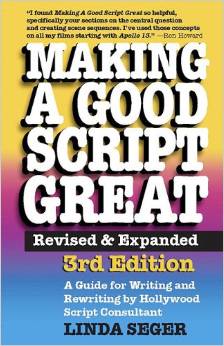
Read it when you've finished a draft and don't know where to start the rewrite.
Seger's Making a Good Script Great follows the work from concept through rewriting. It focuses on spotting script problems and finding ways to address them. The expanded third edition also covers dialogue, cinematic images and point of view.
This is the book we'd start with when you've got a complete screenplay, three sets of notes and too many possible changes.
You might be tempted to fix the dialogue first because it's the easiest thing to see. But if the central relationship never develops, sharper lines may leave you with the same problem. It helps to work out where a difficulty begins before changing every scene that suffers from it.
Read with one issue in mind. Perhaps the middle keeps repeating the same argument, or the ending answers a question the opening never asked. Give yourself a problem you can follow through the draft.
Try it on your draft: take a note that more than one reader has raised. Find the earliest scene that contributes to it. Follow the effects through the screenplay, then make a short rewrite plan before polishing individual lines.
Our guide to working through script notes can help you decide which changes need to come first.
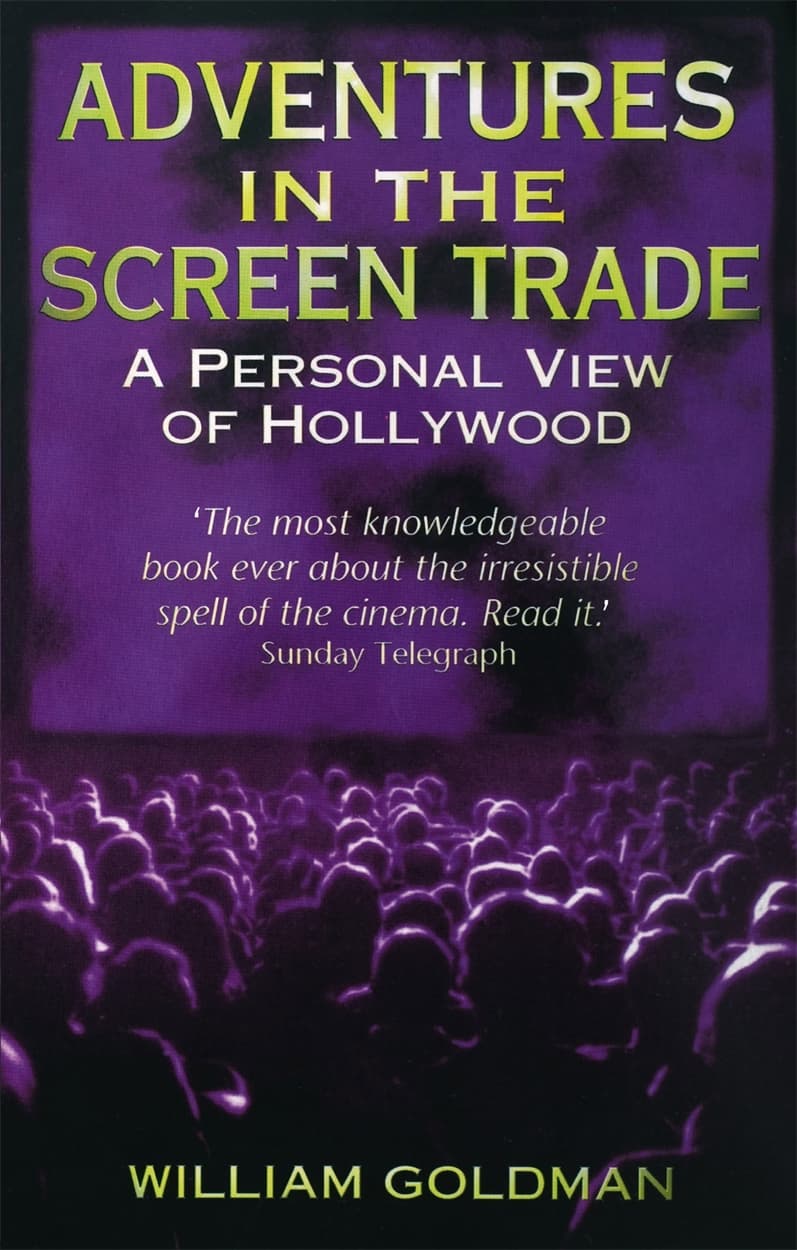
5. Adventures in the Screen Trade, by William Goldman
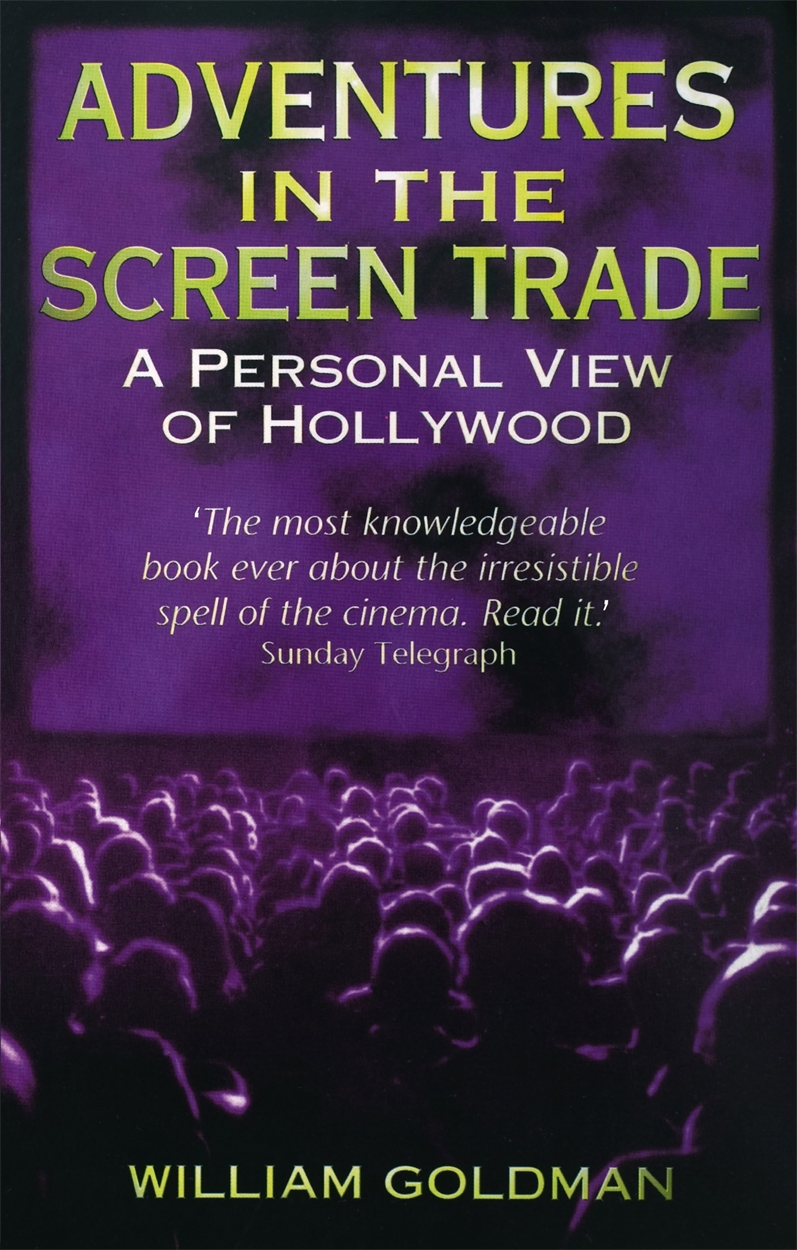
Read it when you want to understand more of the working life around the writing.
Goldman's Adventures in the Screen Trade draws on his experience writing films including Butch Cassidy and the Sundance Kid, All the President's Men and Marathon Man.
It earns its place here for a different reason. The other books help you work on the script. Goldman takes you into the people and decisions around it: the actors, filmmakers and business of getting a film made.
That's useful company when you're spending most of your time alone with a draft. Writing the pages is only part of the profession, and hearing a writer describe the rest can broaden your expectations.
It's also a book about Goldman's era. Enjoy that perspective, but use current sources for submission routes, contracts and working terms. It isn't a handbook for approaching a company today.
Try this alongside your draft: write down one thing you can improve in the screenplay this week, and one thing you need to find out about the people you'd like to send it to. Give yourself a small action for each.
Bring the reading back to your pages
Start with a question from the draft. “How do I become a better writer?” is hard to act on. “Why does this argument run for four pages without either person changing their position?” gives you somewhere to begin.
When an idea from a book seems useful, try it on a short scene. Keep the original, write a different version and read them both. What changed? Is it better, or just different?
Read produced screenplays alongside the craft books, too. Then watch the scene. You'll often find choices that are messier or more surprising than the neat example in a writing guide.
If you're choosing just one, start with Field for structure or Seger for the rewrite. Borrowing a copy or trying a publisher's sample is a good way to see whether the approach suits you. You can always come back to the others when your draft gives you a reason.
The exercises are our suggestions, not passages taken from the books. The links go to publisher information and aren't affiliate links.
