

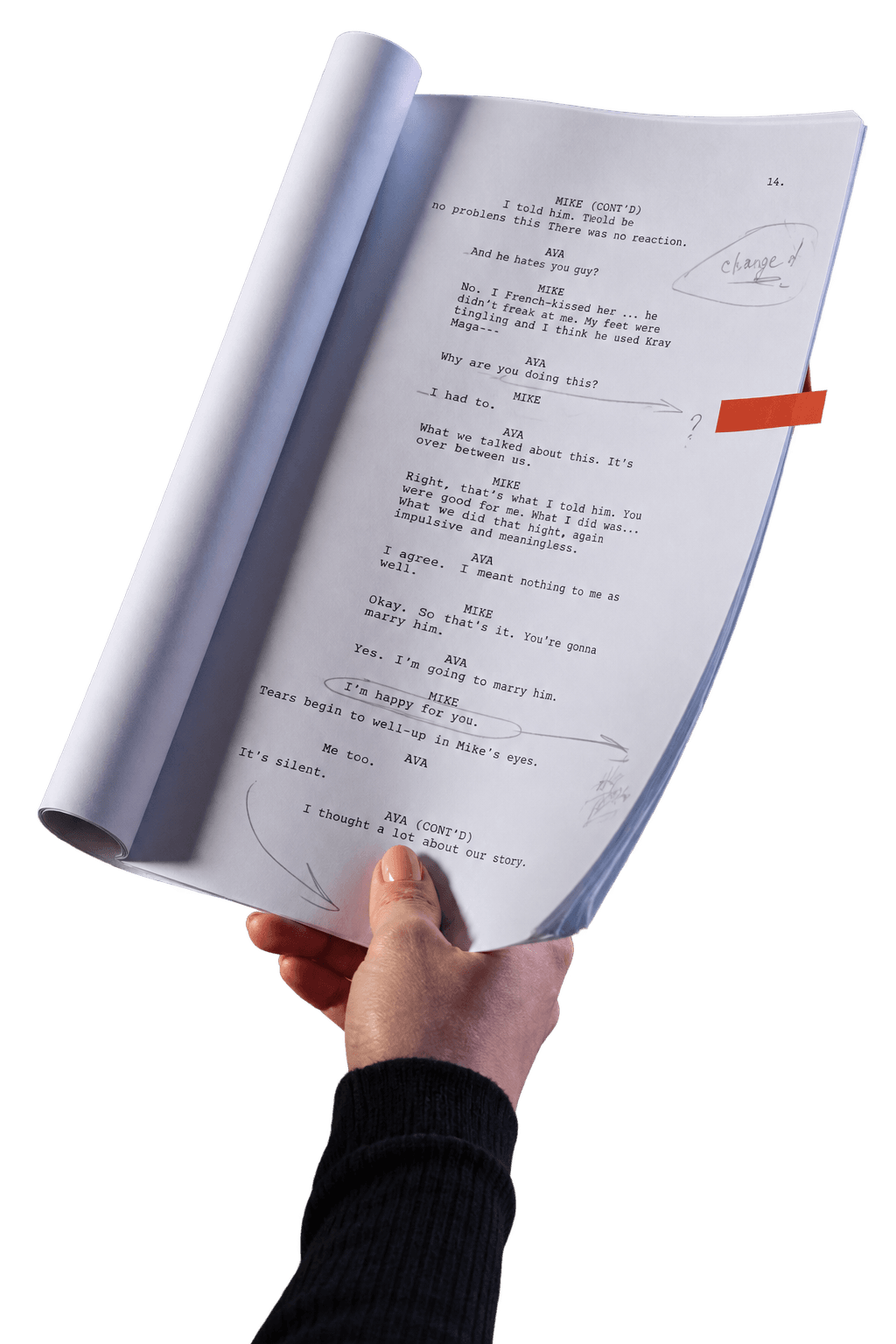
You've spent months writing a screenplay. Perhaps years. Someone asks to read it, and your first thought is: what if they take it?
It's a fair thing to worry about. You've put a lot into these pages. Being told to “just get it out there” doesn't help you decide who to trust.
But a script that's never read can't get much further than your desk. You can keep rewriting it, yet still miss the point where another reader gets confused or stops caring. And the people who might help develop or make it need some way to encounter the work.
You don't have to send it to everyone. Start by deciding who you want to read this draft and what you want from the read.
Keeping it private doesn't mean keeping it unread
There are good reasons to keep an early draft to yourself. You might need to finish an idea before discussing it, or get through a rough version without someone else's voice in your head. If you're writing with a partner, you'll need to agree what you're ready to share.
The difficulty comes when “not yet” has no end. You finish another pass, then another, without finding out whether the story makes sense to anyone else.
A trusted reader can tell you things you can't easily see from inside the script. Perhaps they thought the best friend was the protagonist. Perhaps a moment you intended as funny felt cruel. You don't have to accept their proposed fix to learn something from the reaction.
Give them a question to work with. “Where did you stop believing her?” is easier to answer than “Is it good?” So is “What did you think he wanted by the end of the opening?”
Our first-ten-pages article brings together five professional readers' views on what draws them into a script. It's a useful reminder that the reader only has what's on the page.

What about all the secrecy in professional filmmaking?
Confidentiality is part of the job in some circumstances. John August and Craig Mazin discuss signing NDAs on Scriptnotes. Those agreements can have a real purpose.
A project may already have a producer, rights holder and team. Its script can be confidential and still circulate among the people working on it. The restrictions concern who can receive it and what they can do with it.
That's a different situation from asking someone you've never met to consider your spec script. They haven't agreed to work with you, and may not be accepting material at all. An established project's process won't necessarily suit that first approach.
If you already owe confidentiality to a producer, employer or collaborator, honour it. The advice here concerns work you're entitled to share.
What copyright does, and doesn't, cover
For UK writers, copyright protection arises automatically for original literary and dramatic work. You don't have to apply or pay a fee, and there's no government copyright register in the UK. Secrecy isn't what creates the protection.
An idea and the way you've written it aren't the same thing. The US Copyright Office's guidance on scripts explains that copyright covers the written expression of an idea, rather than the general concept or a programme title. Two scripts having a similar premise doesn't, by itself, establish that one writer copied the other.
Registration is another area where terms get mixed up. The WGAW Registry says its service doesn't replace registration with the US Copyright Office. They aren't interchangeable.
Keep dated drafts and a record of what you send. Save the relevant emails and submission terms too. That gives you a clearer record if questions arise, though it can't guarantee that a dispute will be avoided or a claim will succeed.
If you're dealing with an ownership dispute or a contract, speak to a qualified adviser who works in the relevant jurisdiction. Those questions need more than general guidance.
Why a company might refuse to read your script
A company's submission policy matters just as much as your willingness to share.
Netflix doesn't accept or review unsolicited materials. Its pitching route involves an agent, producer, attorney, manager or industry executive who already has a relationship with Netflix. Finding an email address doesn't get you around that requirement.
Pixar also declines unsolicited creative submissions and gives legal reasons for the policy. That doesn't mean every company has the same rules. It means you need to check the company you're approaching.
Some ask for a query or logline first. Others accept scripts during a particular window. Some don't accept outside material at all. Follow the instructions they've actually published.
An NDA won't open a closed submission route. Asking someone to sign one before they've agreed to a routine read adds another decision to your request. There may be circumstances where it's appropriate; if confidentiality is necessary, agree it before sending the material.
Our industry directory and competitions directory can help you research places to send work. Always check the recipient's own current rules before submitting.
Decide what kind of read you need
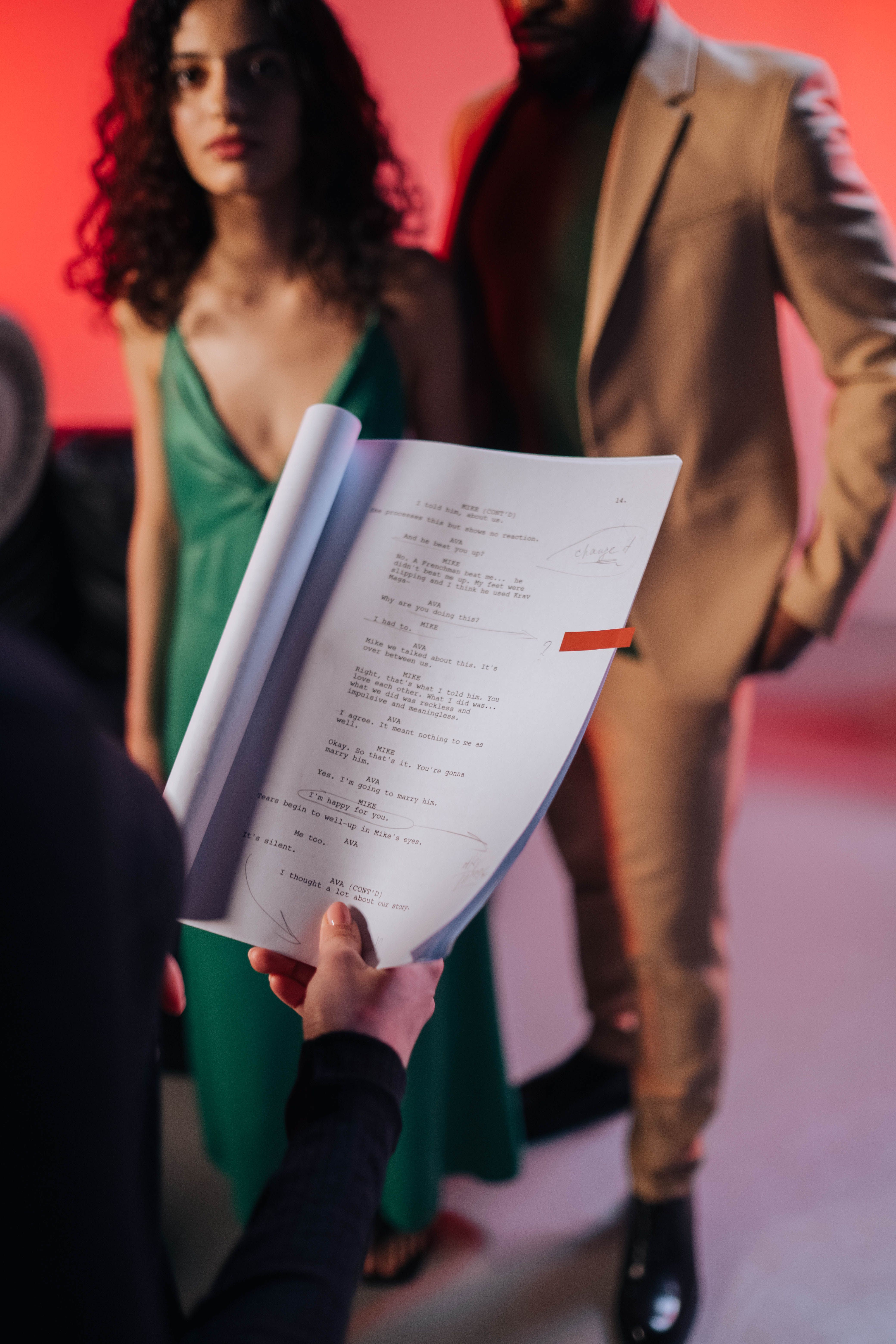
If you want feedback, choose someone whose judgement you trust. That might be a writer you know, an established group, or a professional reader whose service and terms you've checked. Agree which draft they're reading, what you'd like feedback on and whether they may pass it on. Asking them not to forward the file makes your preference clear; it isn't a guarantee of legal protection.
If you're submitting to an opportunity, follow its format and process. Read the terms, especially anything about rights or permitted use. Keep the submitted version and confirmation. If something important is unclear, get it answered before you enter.
If you're posting publicly, think about who'll be able to access the file. Check the platform's terms and whether public availability could affect eligibility for an opportunity you want to pursue. A short excerpt might be enough for the discussion. Deleting your link later won't retrieve copies other people have saved.
You can get useful feedback and make legitimate submissions without posting the full screenplay online.
Start with one reader
If the draft's been sitting on your laptop, choose one person or opportunity to approach.
Save a dated copy. Check how they accept material and ask whether they're willing to read if there isn't already an open submission process. Agree the whole script or an excerpt, the response you're looking for and a reasonable timeframe. Keep a note of what you send.
When the feedback arrives, give yourself a little time before answering. Read it again once the first reaction has passed. Then decide which points deserve another look. Our guide to working through script notes can help you work out where to begin.
You don't have to stop being careful. You just need a way for the right person to open the file.
